AI SEO for multilingual websites

How to do multilingual websites well
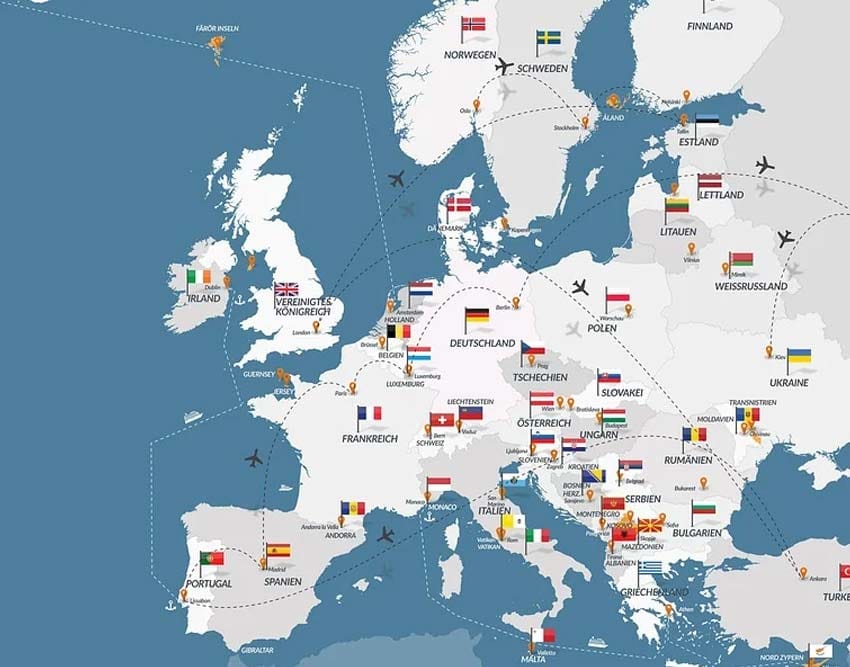
Start with the structure, not the tool. If a site serves more than one language or market, it usually needs separate pages for each language, clear internal linking, and signals that help search engines identify which version is intended for which audience.
That matters because translated copy on its own rarely covers the full job. Search behaviour changes by language and market. People may use different terms, ask different questions and respond to different page emphasis, even when the service itself is the same.
A practical AI-assisted multilingual SEO workflow often starts by mapping languages, markets, and priority pages. From there, AI can support drafting, clustering, metadata ideas and content adaptation. Before anything important goes live, each page still needs review for localisation, search intent and technical alignment.
The human element

The human review step is where weak multilingual material is usually improved. A reviewer can catch clumsy phrasing, false friends, overly literal translations, and keyword choices that sound correct but do not match how people actually search.
It also helps to define what each page is meant to do before any content is generated. A service page, a location page and a blog article may all need different treatment. If the site structure is unclear, AI tends to scale that confusion rather than solve it.
For businesses comparing options, this is where Multilingual SEO becomes a useful frame of reference. The question is not whether AI is available. The question is whether the workflow produces pages that make sense to local readers and are set up clearly enough for search engines to index and target them properly.
What changes the outcome

The biggest difference usually comes from how well the language, market, and search intent align. A page written for French speakers in France may need different wording than one aimed at French speakers in Belgium or Switzerland. The same applies across many European markets. Small shifts in the wording can make a page feel natural or slightly off.
Technical setup matters as well. Language-specific pages with proper market targeting give search engines a clearer structure to work with. That can include page hierarchy, internal links, canonicals and hreflang where appropriate. The exact setup depends on the site, so it is worth checking the implementation rather than assuming a plugin has handled everything correctly.
Quality management for multilingual websites
Content quality is the next lever. AI can help produce first drafts, summaries, FAQs and supporting copy at speed. It can also help teams compare existing pages, spot duplication and identify gaps between languages. Speed only helps if the final page still reads naturally and aligns with the right search intent for the language and market.
Preparation affects the result more than many teams expect. Before starting, it helps to gather the list of target languages and markets, the pages that matter most commercially, and any brand terms, restricted wording or localisation constraints.
If that material is missing, the work often slows down and becomes less consistent. In some cases, the issue is not just multilingual SEO. Website design, content strategy or broader SEO may also need attention if the site is hard to crawl, thin on useful content or unclear in its page hierarchy.
Modern search behaviour is another reason to be careful. AI-assisted search journeys and AI Overviews can change how people discover information, but they do not remove the need for clear, trustworthy pages. If anything, they increase the value of well-structured, locally relevant, and easy-to-interpret content.
Pitfalls to avoid with multilingual websites

The most common mistake is treating translation as the whole strategy. A multilingual website needs more than translated text to compete effectively in search. Direct translation can miss local phrasing, local intent and the terms people actually use.
A further mistake is publishing AI output with little or no review. That can create pages that look acceptable at a glance but contain subtle problems: repeated wording, generic claims, mismatched headings, weak metadata or content that targets the wrong query. These issues are easy to miss when teams focus on volume.
Some sites also create multiple language versions without assigning a clear role to each. If several pages say almost the same thing, or if market targeting is vague, search engines may struggle to understand which page should appear for which audience.
It is also easy to overcomplicate the technical side. You do not need to turn a small business site into an enterprise system to make progress. You do need a clean structure, sensible localisation, and enough review to avoid scaling mistakes across every language.
A final mistake is expecting AI to settle strategic questions on its own. It can support research and production, but it cannot consistently decide which markets deserve separate pages, which terms carry the right commercial meaning, or where the content needs a different angle altogether. That still calls for judgement.
Where the audit ends, and the wider strategy begins

An audit or review can show whether multilingual pages are indexable, understandable and aligned to the right markets. It can also show where AI is helping productively and where it is introducing risk.
Beyond that point, the work often extends beyond a simple content check. Some businesses need stronger page templates through website design. Others need clearer messaging through content strategy, or a more joined-up SEO plan across languages. The next step depends on whether the main problem is structure, content quality, targeting, or all three.
A specialist should be able to explain those findings clearly. If you are weighing whether this approach fits your site, the next useful step is usually to compare your current configuration with a proper multilingual SEO process.
Get in touch with Simon